“`html
Lucid Motors Experiences Executive Departures Amid Strategic Shift
Lucid Motors, the American electric vehicle manufacturer renowned for its luxury electric sedans, is currently undergoing a significant transformation within its leadership team as it navigates a pivotal moment in its corporate strategy. The company recently announced the departure of Eric Bach, its Chief Engineer and Senior Vice President of Product, after more than a decade of service. Bach joined Lucid Motors in 2015, bringing a wealth of experience from his previous roles at Tesla and Volkswagen, and his exit marks a notable shift in the company’s engineering leadership.
During his tenure at Lucid Motors, Bach made substantial contributions to the company’s engineering and product development. Before joining Lucid, he served as Tesla’s Director of Engineering, where he collaborated closely with Peter Rawlinson, Lucid’s former CEO and CTO. His extensive experience also includes over ten years at Volkswagen, where he honed his engineering skills in the automotive sector, focusing on electric vehicle technology and sustainable automotive practices. In addition to Bach, Lucid Motors has also seen the exit of James Hawkins, the Vice President of Engineering, who has been with the company for a decade. The company has not provided specific comments regarding these departures, which are part of a broader executive shake-up announced on Wednesday.
Alongside Bach and Hawkins, Jeri Ford, the Vice President of Quality, is set to retire. In a strategic move to fill this critical role, Marnie Levergood, who previously worked at Scout Motors, will be stepping in. Furthermore, Emad Dlala, who has been with Lucid since 2015 and was recently promoted to Senior Vice President of Powertrain, will now oversee all engineering and digital operations within the company. This executive turnover comes at a critical juncture for Lucid Motors, which has been without a permanent CEO since Peter Rawlinson’s unexpected resignation in February. Marc Winterhoff, the former Chief Operating Officer, is currently serving as the interim CEO.
The company is facing increasing pressure to stabilize its leadership and enhance its operational effectiveness. The recent executive departures and the financial restructuring come at a time when Lucid Motors is aiming to solidify its position in the competitive electric vehicle market. The company has faced scrutiny over its production capabilities and sales performance, particularly as it strives to meet the growing demand for electric vehicles.
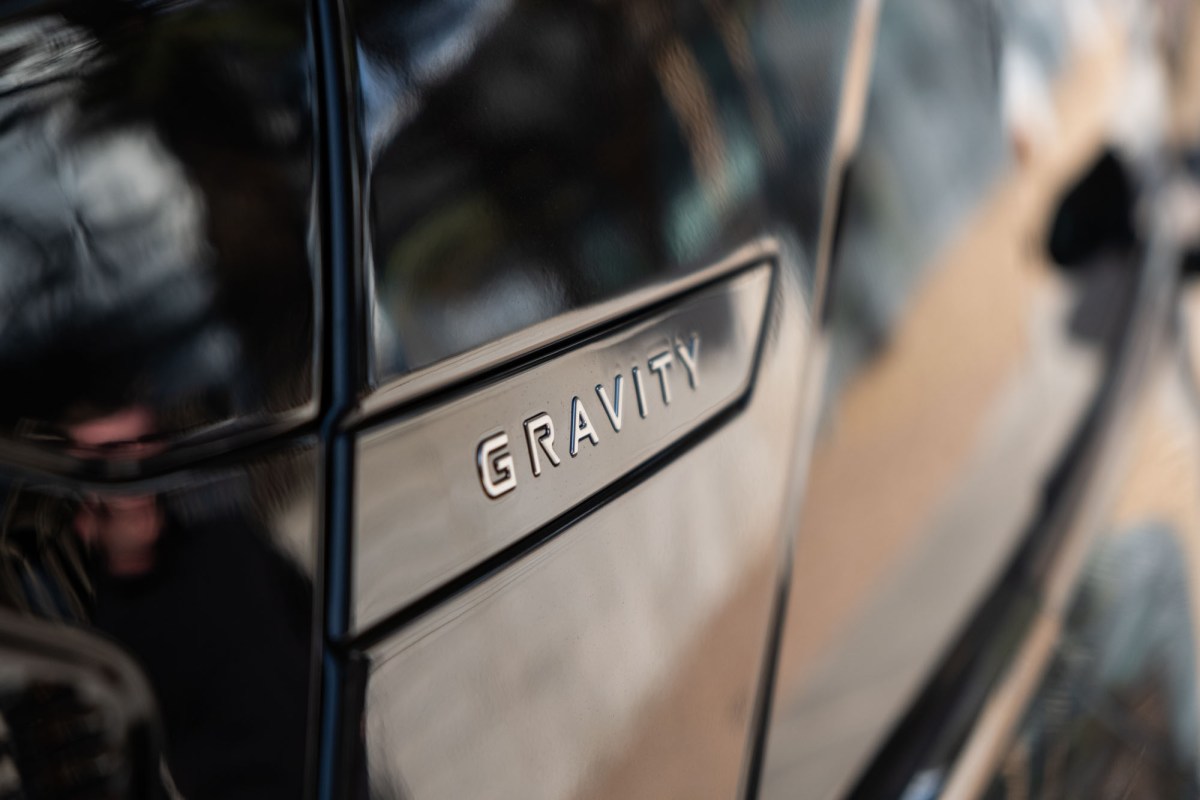
Lucid Motors is currently in a transition period marked by the launch of its long-anticipated luxury SUV, the Gravity. This model is expected to outperform the Lucid Air sedan, which has faced challenges in sales due to various factors, including supply chain disruptions and competition from established automakers and new entrants in the electric vehicle space. The Gravity SUV is a crucial part of Lucid’s strategy to capture a larger share of the electric vehicle market, particularly in the luxury segment, where consumer expectations for performance, range, and technology integration are high.
In addition to the Gravity, Lucid Motors is developing a midsized vehicle projected to be priced around $50,000 and set to launch in 2026. However, the company has indicated that it may need to secure additional funding to support this initiative. The financial landscape for Lucid Motors has been bolstered by a recent announcement regarding its majority owner, the Saudi Arabian sovereign wealth fund. The fund has increased the cap of a loan agreement from $750 million to approximately $2 billion, providing the company with necessary liquidity through 2027.
As Lucid Motors moves forward, the focus will likely remain on enhancing its product offerings and addressing operational challenges. The success of the Gravity SUV and the upcoming midsized vehicle will be critical for the company’s growth and sustainability in the evolving automotive landscape. The electric vehicle market is becoming increasingly competitive, with traditional automakers like Ford and General Motors ramping up their electric vehicle offerings, as well as new players such as Rivian and Fisker entering the fray.
Lucid’s leadership changes reflect a broader trend within the company, as several key executives have departed over the past year. This includes the head of investor relations, the Senior Vice President of Operations, the Managing Director for Europe, and Vice Presidents responsible for Software Quality and Marketing. Such turnover raises questions about the company’s internal stability and strategic direction. Analysts and investors will be closely monitoring how these changes impact Lucid’s ability to execute its ambitious plans and maintain investor confidence.
Historically, executive turnover in automotive companies can lead to shifts in corporate strategy and product focus. For instance, when Tesla experienced similar leadership changes, it led to a renewed focus on production efficiency and product innovation, which ultimately contributed to its market dominance. Lucid Motors will need to harness the expertise of its incoming executives to navigate these challenges and capitalize on the growing demand for electric vehicles.
In summary, Lucid Motors is at a crossroads, with significant executive changes and a renewed focus on product development and financial stability. The company’s ability to navigate these challenges will determine its future in the competitive electric vehicle market. As the industry continues to evolve, Lucid’s strategic decisions will play a crucial role in shaping its long-term viability and success. The coming months will be critical as the company aims to stabilize its leadership and execute its ambitious plans for new vehicle launches and market expansion.
“`